A kayak tour group paddles off Green Island in Stonington Harbor, Maine.(Photo: by Robert Nickelsberg/Getty Images)
Maine has been celebrated as “Vacationland,” a nickname that appears on license plates, signs, and graphic T-shirts, since the 1930s. And planning a trip to Maine in the summer is more popular than ever: the state expects more than7 million visitors before Labor Day. But what makes this largely rural state (89 percentforestland!) such a great place to explore, unwind, and have fun?
I was born and raised in Maine, have been a Registered Maine Guide for five years, and I’ve written three guidebooks about hikes in Maine. I also lead guided hikes and adventures throughout the state—and whether you’re traveling from out of state or you’re a Maine resident looking for the ultimate “staycation,” I’ve got some recommendations for a memorable summer.
Here’s what to do in Maine this summer, from one-of-a-kind guided adventures to local cuisine you have to try (hello, lobster rolls).
The 7 Best Summer Adventures in Maine
1. Search for Whales, Puffins, and Moose By Boat
Some of Maine’s most exciting wild animals can be hard to find on your own. Whether you’re hoping to glimpse a massive moose or charismatic puffin, booking a tour is a great way to increase your chances and take the stress out of the search.
Near the beautiful lakeside town of Greenville, moose safaris by van and canoe are offered by various outfits includingNortheast Whitewater Guide ServiceandYoung’s Guide Service. Moose spend much of the summer wading in ponds to eat wetland plants, escape bugs, and cool off. Can you blame them?
Meanwhile, just outside of Acadia National Park, theBar Harbor Whale Watch Co.carries passengers out onto the ocean in search of humpback whales, harbor seals, Atlantic white-sided dolphins, and other marine creatures.
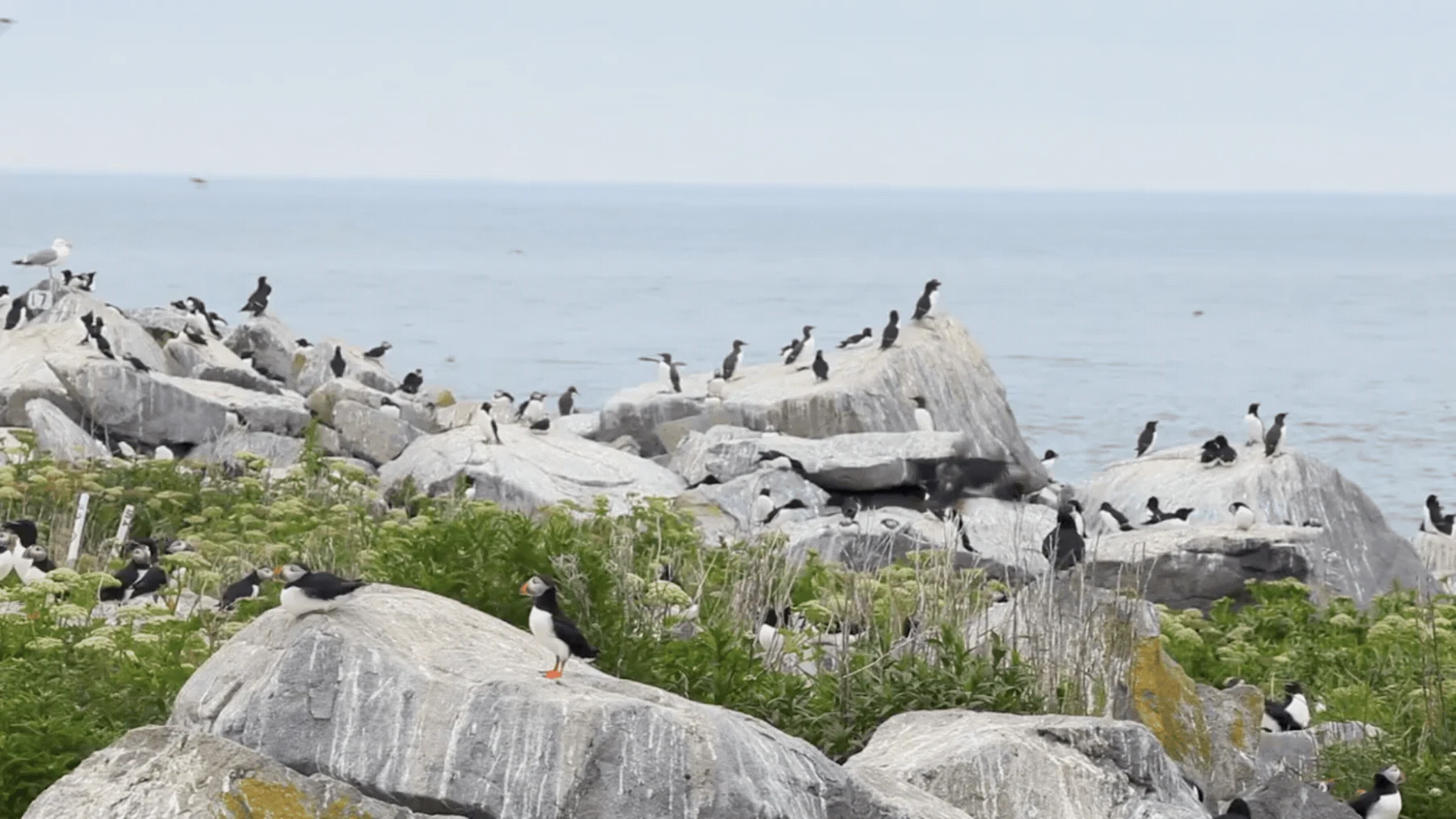
For bird lovers, Maine is the only state in the United States you will find the Atlantic puffin, a colorful seabird and a hugeconservation success story. What’s more, summer is the best time to spot these birds as they congregate to nests on select offshore islands. A number of boat tours visit puffins, includingCapt’n Fish’s Cruisesout of Boothbay,Hardy Boat Cruisesout of New Harbor, andIsle Au Haut Boat Servicesout of Stonington. Just beware, puffin cruises are popular, so you should book them far in advance.
2. Hike in Acadia National Park With Your Dog
Atop hiking destination in MaineisAcadia National Park, and for good reason. With mountains of pink granite and dramatic ocean cliffs, this park features more than 120 miles of historic hiking trails with interesting features like rock staircases and whimsical footbridges. The bulk of this mountainous park is located on scenic Mount Desert Island, accessible by causeway, with a quieter mainland section (well worth the visit) on the Schoodic Peninsula.
Acadia is one of the few national parks across America that allows dogs. If kept on leash (measuring no longer than six feet), dogs are permitted on most trails. In fact, dogs can become Acadia“Bark Rangers”if their owners complete a short program about the rules of B.A.R.K.:
• Bag your poop. • Always wear a leash. • Respect wildlife. • Know where to go.
While Acadia is stunningly beautiful, it can be crowded, receiving more than 4 million visits annually. Other hiking destinations in Maine includeBaxter State Park, home to Maine’s tallest mountain, Katahdin (dogs not permitted);Camden Hills State Park, where mountains line the coast (dogs permitted); and Maine’s 282-mile stretch of the famousAppalachian Trail(dogs permitted). For easier nature walks, check out the countless preserves owned and managed by the state’s80 land trusts.
• Bog Brook Cove Preservein Cutler and Trescott, which features a universally-accessible trail, cobble beaches and views of the Bold Coast. • Blue Hill Mountainin Blue Hill, where seven trails explore a 934-foot monadnock with open views of the region. • Beach Hill Preservein Rockport, home to blueberry fields, more than 140 bird species, and a historic stone, sod-roofed hut.
3. Pick Wild Blueberries
Maine produces 99% of all the wild blueberries in the country. Growing in barrens of sandy, acidic soil from late July through August, these small berries are bursting with flavor. At gift shops throughout the state, you can find a wide range of wild blueberry products, including jam, syrup, and candy. Restaurants often serve homemade blueberry pie, plus blueberry-infused beer and wine. But arguably the best way to enjoy wild blueberries is by picking them yourself.
A handful of blueberry barrens and farms offer a pick-your-own option, includingPerseverance Farmin Kingsbury Plantation,Winslow Farmin Falmouth, andRupert’s Berry Farmin Turner. Many additional farms open their doors to visitors, offering tours and picking, duringWild Blueberry Weekend, a statewide celebration held on the first weekend of August.
4. Bike Through the Wilderness
Maine is increasingly becoming a biking destination, with trail builders investing inseveral new trail systemsdesigned specifically for biking. Whether you enjoy road cycling, gravel riding, or mountain biking, the Pine Tree State has plenty of options.
For road cycling, check out theEast Coast Greenway, a 3,000-mile route that’s developing from the southern tip of Florida to the Canadian border in eastern Maine. For gravel riding, consider exploring the famous 100-Mile Wilderness on roads and trails maintained by theAppalachian Mountain Club(and staying at their wilderness lodges). Or visitKatahdin Woods and Waters National Monument, which was established in 2016 and features miles of old woods roads. Also popular are thehistoric carriage roads of Acadia National Park.
For mountain biking, one hotspot isSugarloaf Outdoor Centerin Carrabassett Valley, plus the nearbyMaine Huts and Trailssystem. In addition, theMoosehead Outdoor Alliancehas recently opened up some new single-track trails near Moosehead Lake, Maine’s largest body of freshwater. And in the Katahdin Region,Katahdin Area Trailscontinues to expand. You can pair that network with the nearbyPenobscot River Trails.
5. Eat Local Seafood
Lobsters, harvested fresh from the Gulf of Maine, are a staple of local cuisine. Pick up a lobster roll at a roadside stand likeThe Clam Shackin Kennebunkport, or if feeling ambitious, tuck a bib into your collar and sit down to a traditional lobster meal at an oceanside restaurant likeBeal’s Lobster Pierin Southwest Harbor,McCoons Lobster Shackin South Thomaston, andChauncey Creek Lobster Pierin Kittery Point. I personally enjoy lobster stew, like the one served atGeddy’sin Bar Harbor.
Heads up: eating a full lobster involves breaking open the large crustacean with metal crackers and dipping the rich white meat into bowls of butter. But don’t stop there. You’ll find haddock, clams, mussels, oysters, scallops, and crabs on the menus of countless restaurants up and down the Maine coast.
6. Join a Paddling Tour
Maine is a water world: It has more coastline than California, an archipelago of more than 3,000 offshore islands, several major rivers, and more than 6,000 lakes and ponds. One of the best ways to explore this abundance of water is by joining a paddling tour led by aRegistered Maine Guide, outdoor experts who will help you navigate the wilderness safely.
Tested and certified by the state, each guide (I’m one!) has something different to offer. Experience the beauty of bioluminescence withCastine Kayak Adventures, watching the ocean glow as you paddle a sea kayak after dark. Learn how to row a historic dory boat withDoryWoman Rowingin Belfast Harbor while weaving around lobster boats. Or sign up for a multi-day canoeing adventure withMahoosuc Guide Service, which offers a variety of themed trips, including some led by Wabanaki guides who teach about the area’s indigenous culture.
New to paddling? Don’t worry. Guides are teachers, and most will design an outing to match your ability level. Be honest about your fitness level and experience with the activity, and your guide will take it from there.
7. Take a Self-Guided Lighthouse Tour
If you’re feeling scattered when it comes to planning an adventure, let a few longstanding beacons guide you. Sixty-five lighthouses dot Maine’s coast, warning sailors off dangerous rocks and welcoming them back to dry land. These historic landmarks can serve as waypoints for a road trip, whether it’s a day drive or a multi-day excursion.
Today, most of these historic landmarks are still operational, and some are more accessible to visitors than others. West Quoddy Head Lighthouse, Fort Point Light, Cape Elizabeth Light, and Owls Head Light are all located inMaine state parks, making them excellent choices for a self-guided lighthouse tour.
Other popular lighthouses for visitors:
• Portland Head Lightin Fort Williams Park, from which you can view five additional lighthouse towers. • Bass Harbor Light, which is located in Acadia National Park and is a popular sunset photography spot. • Marshall Point Lighthouse, known for its long wooden walkway and being featured inForrest Gump. • Pemaquid Point Lighthouse, which houses a fishermen’s museum and art gallery.
These destinations and experiences are just a taste of what Maine has to offer in the summertime. A state with extraordinary natural beauty, a rich history, and countless opportunities for adventure, Vacationland lives up to its name.
Aislinn Sarnackiis a Registered Maine Guide, outdoor journalist, and the author of three hiking guidebooks. She is the host of Maine Public’s Emmy-award-winning TV show “Borealis.” Follow her ataislinnsarnacki.comand@aislinnsarnackion Instagram.